Services
Focused capabilities for early-phase decisions.
Each service is defined by its scope, our approach, the outcomes it is designed to deliver and the sectors it applies to. Engagements can be scoped individually or combined into an integrated study.
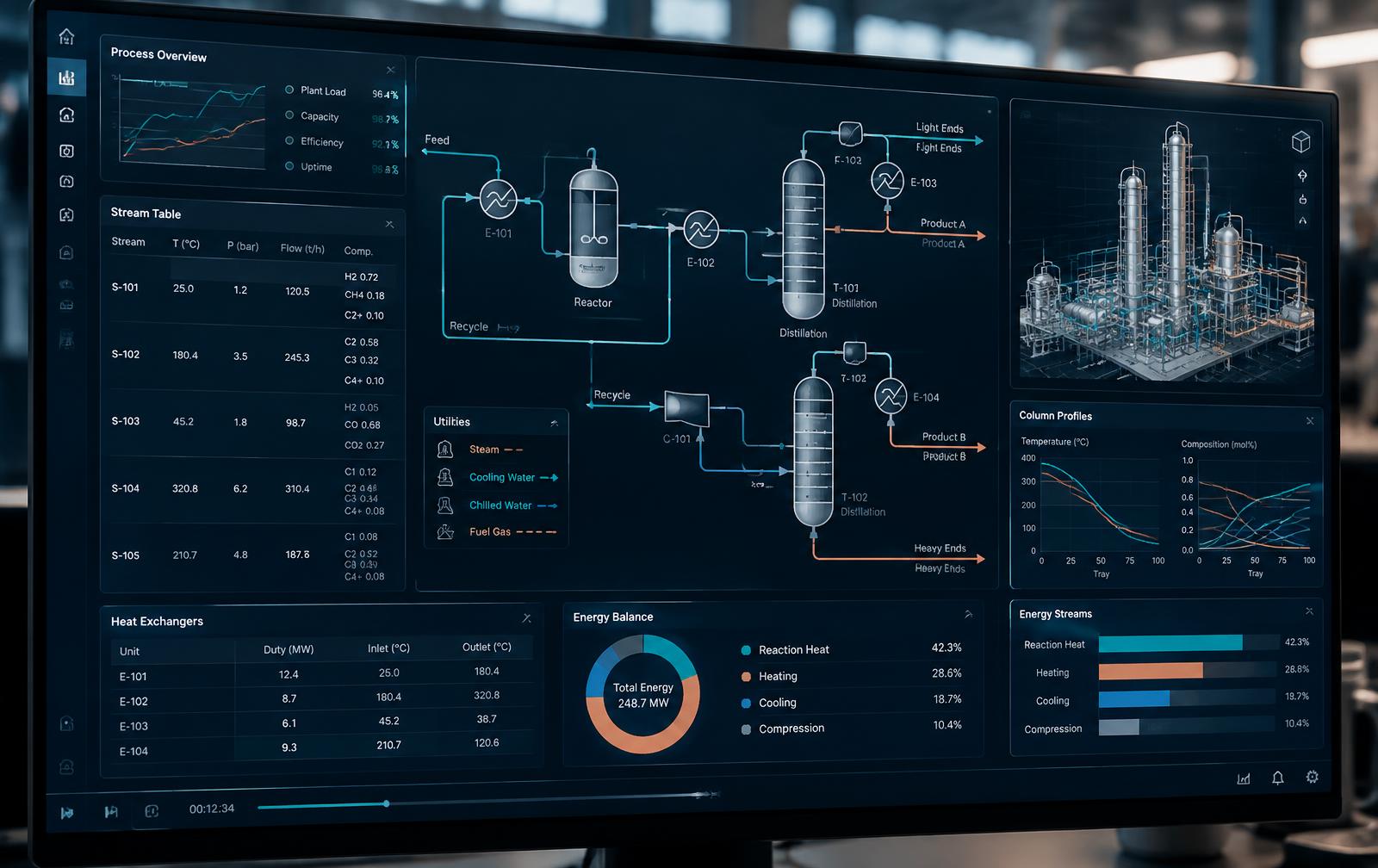
Process Simulation & Modeling
Steady-state and dynamic models that turn a concept into quantified mass and energy balances.
Scope
- Steady-state heat and material balances
- Thermodynamic method selection and validation
- Sensitivity and case studies across feed and operating envelopes
- Equipment sizing inputs and utility summaries
Approach
We build models in recognized commercial simulators or the client's preferred platform, documenting assumptions so results remain auditable and transferable.
Intended outcomes
- Defensible balances for early design
- Clear view of key performance drivers
- Basis for cost estimation and screening
Applications
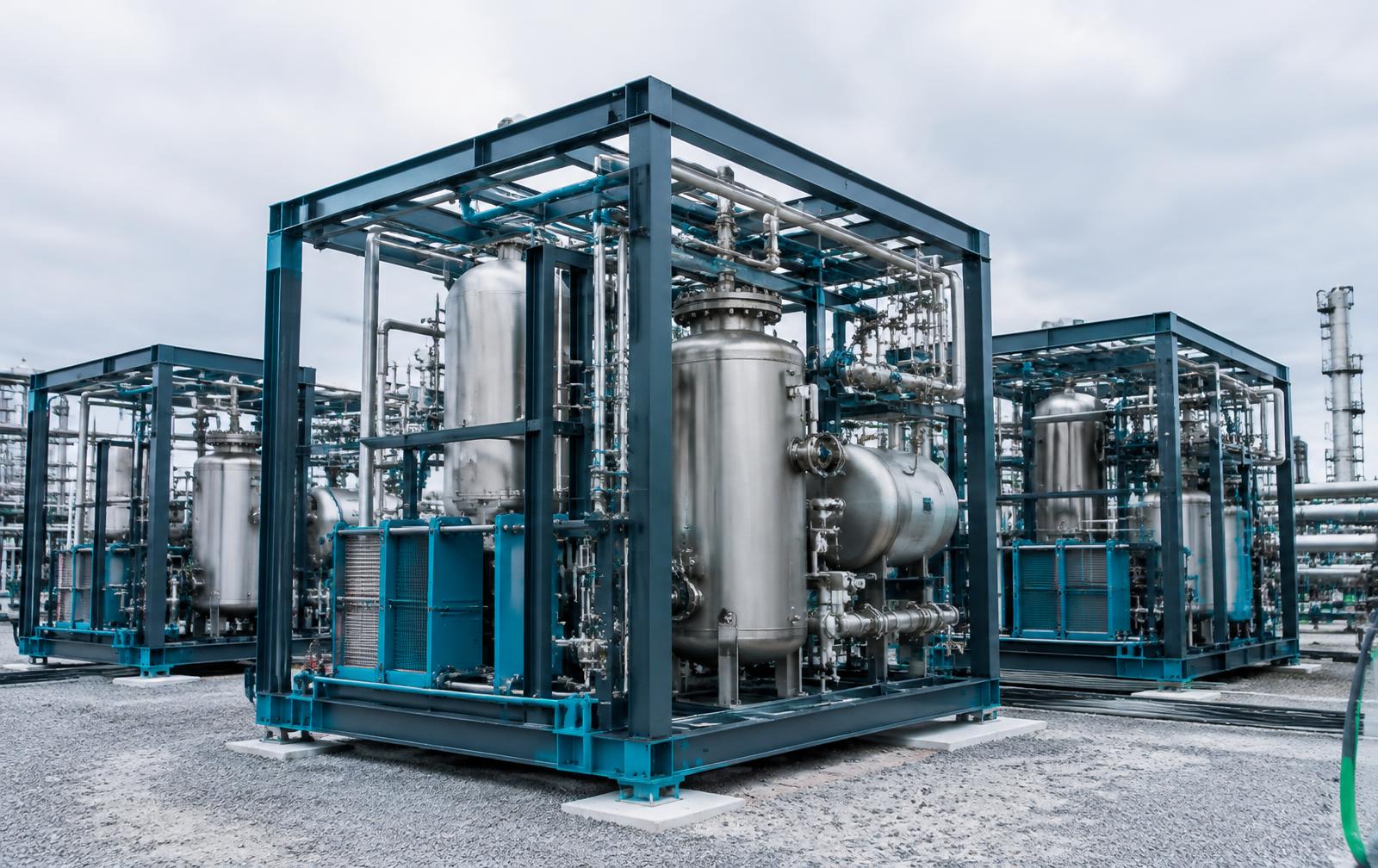
Feasibility & Pre-FEED Studies
Structured concept selection that tests technical and commercial viability before major spend.
Scope
- Concept definition and option screening
- Block flow and preliminary PFDs
- Order-of-magnitude CAPEX/OPEX framing
- Risk register and gap identification
- Basis of design for FEED
Approach
Stage-gated work that narrows options deliberately, making each decision traceable to data rather than preference.
Intended outcomes
- Go / no-go clarity
- Ranked options with rationale
- A FEED-ready basis of design
Applications
Process Integration & Optimization
Pinch analysis, heat integration and utility optimization across process and power islands.

Scope
- Pinch and heat-exchanger network analysis
- Steam and utility system optimization
- Waste-heat recovery opportunities
- Debottlenecking assessments
Approach
Systems-level analysis that looks across unit boundaries for energy and capital savings others may overlook.
Intended outcomes
- Reduced energy intensity potential
- Prioritized improvement opportunities
- Integrated utility strategy
Applications
Methanol & Clean Fuels
Concept evaluation for methanol, low-carbon fuels and related synthesis pathways.

Scope
- Synthesis route comparison (natural gas, biogenic, CO₂-based)
- Reformer and synthesis loop configuration studies
- Carbon intensity framing
- Product logistics and offtake considerations
Approach
Independent pathway evaluation weighing feedstock, technology maturity, carbon profile and market access together.
Intended outcomes
- Pathway shortlist with trade-offs
- Preliminary configuration and balances
- Inputs for commercial modeling
Applications
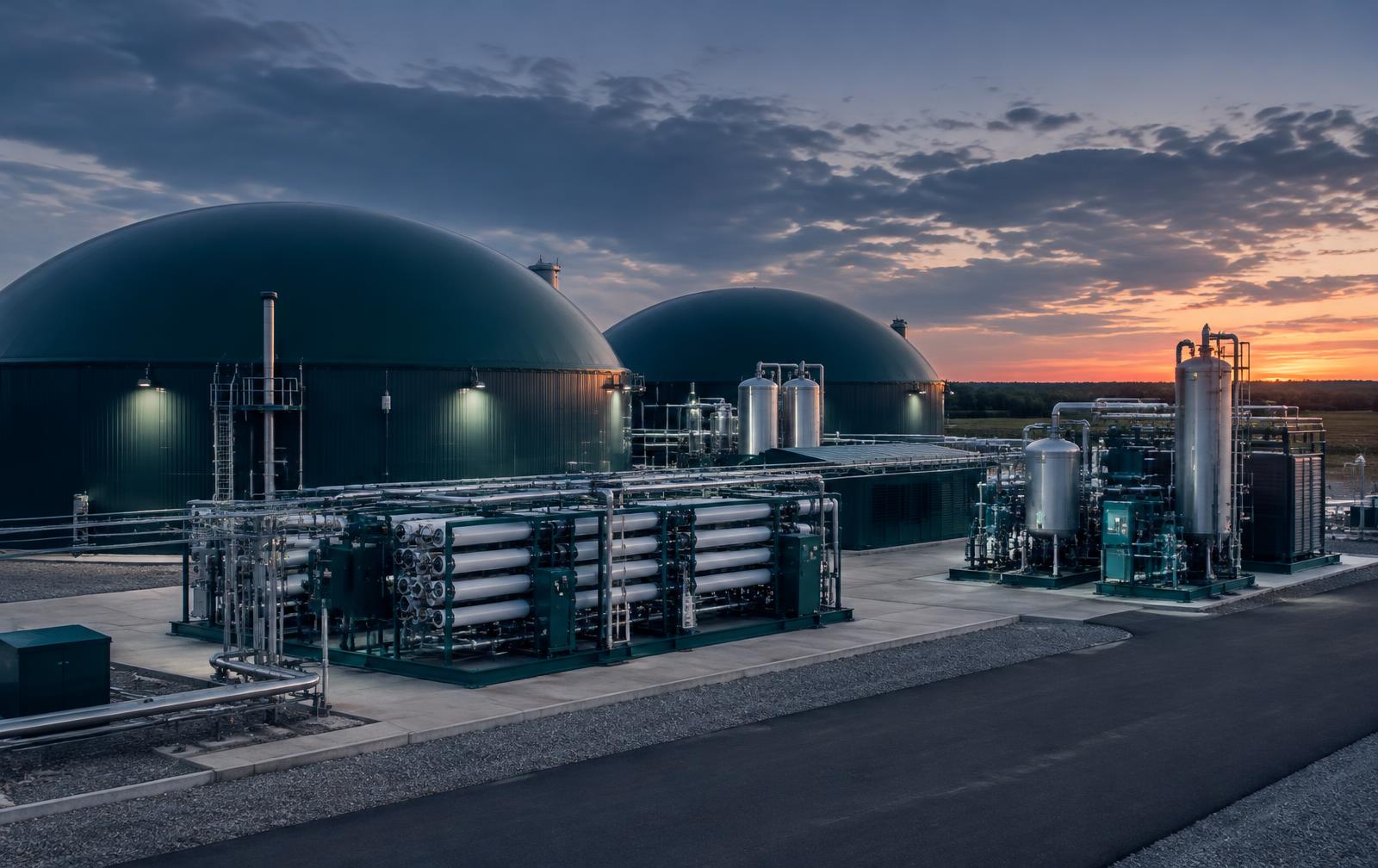
Biogas, RNG & Syngas
Upgrading, conversion and utilization concepts for biogenic and gasification-derived gases.
Scope
- Biogas upgrading technology screening
- Syngas conditioning and cleanup concepts
- Power, fuel or chemical utilization options
- Feedstock variability assessment
Approach
We map feedstock reality to conversion options, testing robustness against variable composition and supply.
Intended outcomes
- Fit-for-purpose technology shortlist
- Utilization pathway comparison
- Risk-aware concept definition
Applications
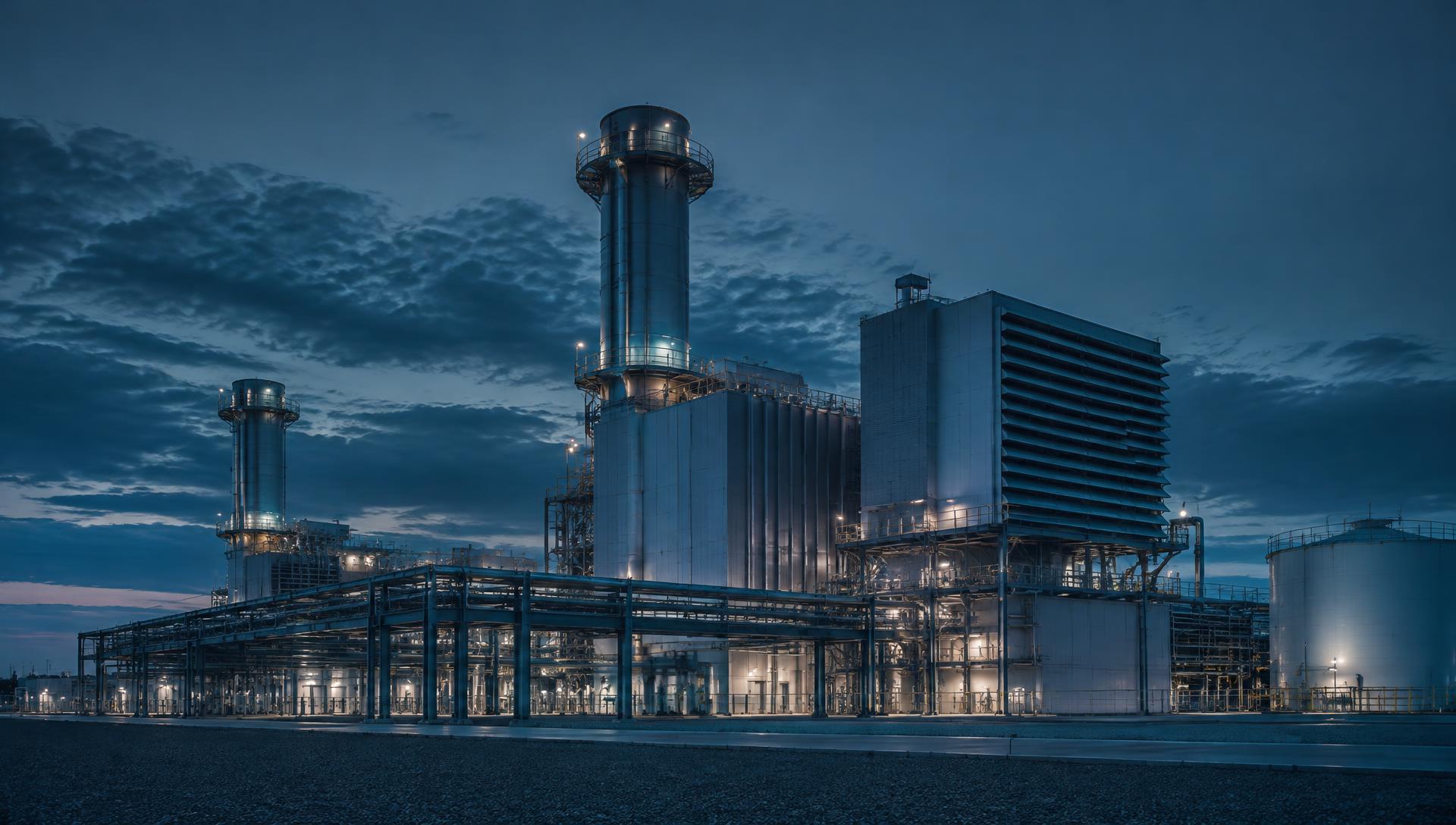
Gas-to-Power
Configuration studies for gas turbine, reciprocating engine and combined-cycle generation.
Scope
- Prime mover technology comparison
- Simple vs. combined-cycle and CHP evaluation
- Fuel flexibility and gas quality review
- Performance across ambient and load conditions
Approach
Generation options assessed against the real load profile, fuel supply and reliability target of the site.
Intended outcomes
- Recommended configuration with rationale
- Performance and fuel-use estimates
- Interface definition with process units
Applications
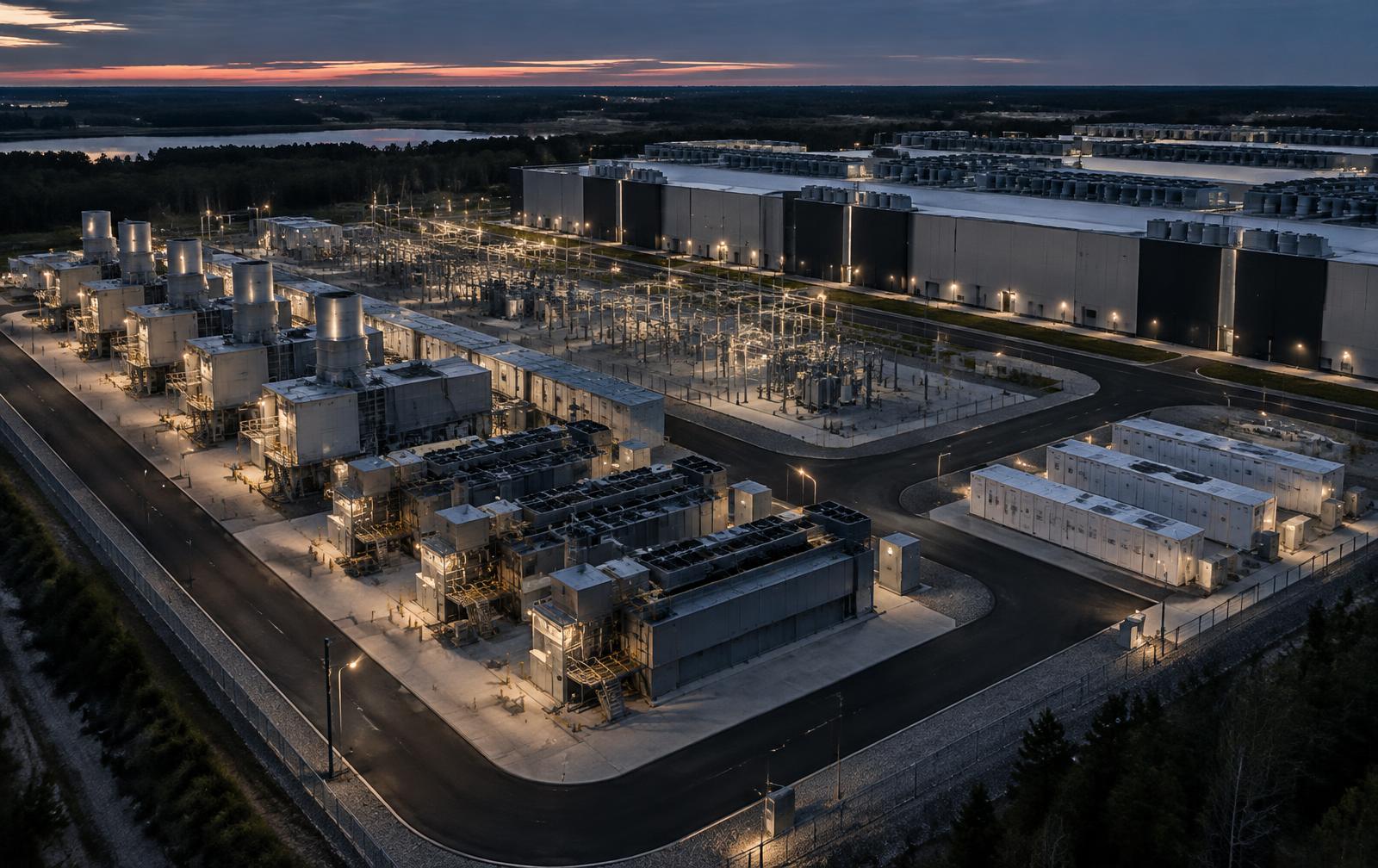
Microgrids & Battery Energy Storage
Hybrid generation, storage and controls concepts for resilient, flexible power.
Scope
- Load characterization and resilience targets
- BESS sizing and duty-cycle framing
- Hybrid generation dispatch concepts
- Islanding and grid-interaction considerations
Approach
Scenario-based sizing that balances resilience, cost and operational flexibility, with controls considered from the start.
Intended outcomes
- Sized system concepts
- Dispatch strategy outline
- Resilience and cost trade-off view
Applications
Data-Center Behind-the-Meter Power
On-site generation and storage concepts for large, fast-growing compute loads.
Scope
- Load ramp and redundancy requirement mapping
- On-site gas generation and BESS concepts
- Waste-heat and cooling integration opportunities
- Grid-parallel vs. islanded strategy evaluation
Approach
We bring process-plant integration thinking to compute campuses — treating power, cooling and fuel as one designed system.
Intended outcomes
- Power architecture options
- Speed-to-power considerations
- Integration roadmap for development teams
Applications
Owner's Engineering & Project Development Advisory
Independent technical support for owners and developers through early project phases.
Scope
- Technical due diligence support
- Licensor and vendor proposal review
- Scope definition and contracting strategy input
- Development roadmap and decision framing
Approach
A senior, owner-aligned perspective that helps decision-makers ask sharper questions of vendors and contractors.
Intended outcomes
- Clearer technical risk picture
- Better-informed procurement decisions
- Development plans grounded in engineering reality
Applications
Early-stage conversations welcome